

What is the purpose
Of cavity wall ties?
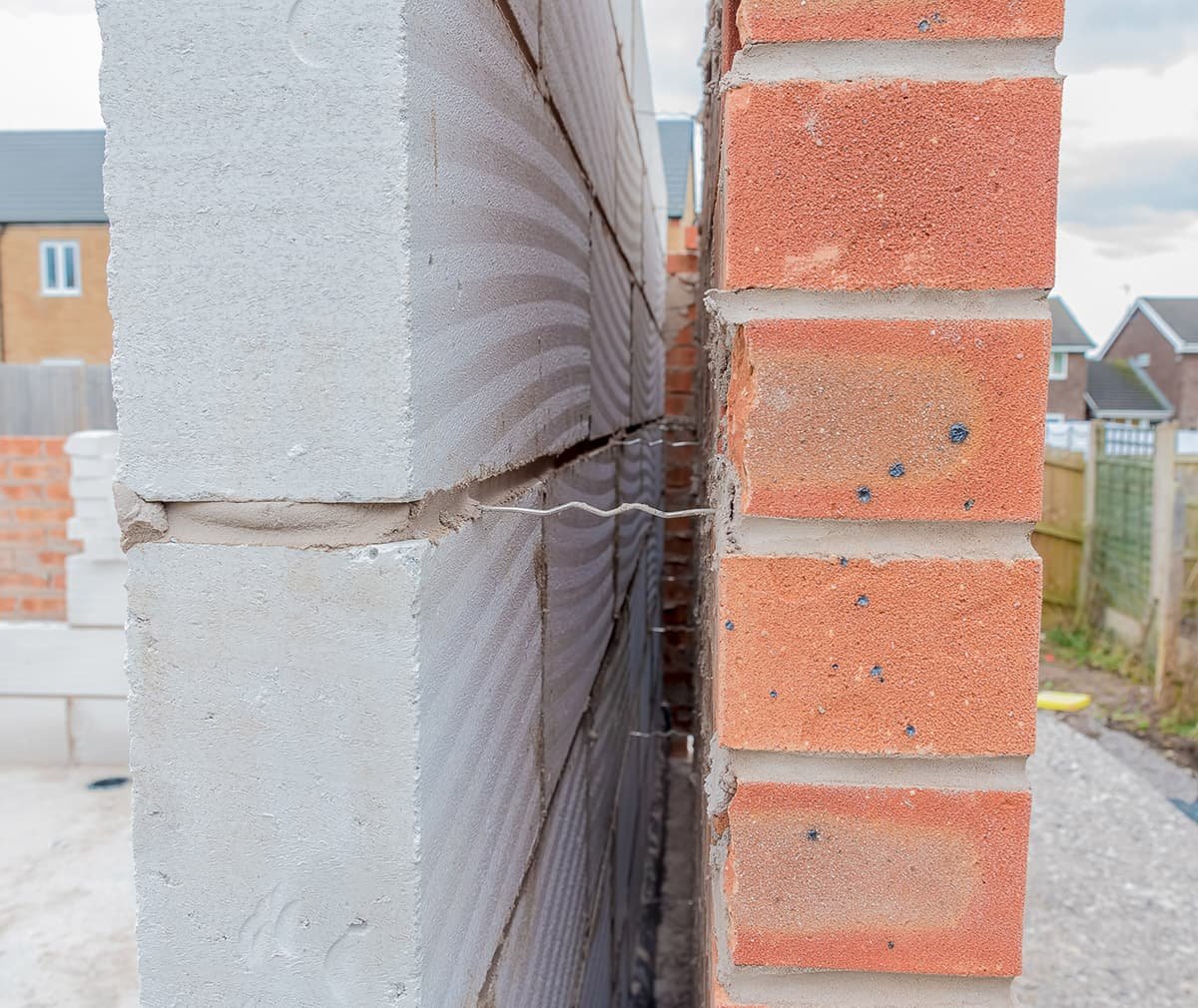
Cavity wall construction has been a common feature in UK building design since the early nineteenth century, offering both structural and thermal advantages. This type of wall consists of two separate layers, known as leaves — an inner leaf and an outer leaf — with a gap or cavity between them. The two leaves are held together using metal wall ties, which provide structural stability while allowing the cavity to function as a barrier. One of the primary purposes of cavity wall design is to prevent the penetration of rainwater into the interior of the building. The outer leaf absorbs the majority of rainfall, while the cavity acts as a buffer zone, preventing moisture from reaching the inner wall. In addition to moisture protection, cavity walls also enhance a property’s thermal performance by reducing heat loss, particularly when insulation is installed within the cavity. This combination of durability and energy efficiency has made cavity wall construction a long-standing and reliable choice in the building practices of ASRS Ltd.
What happens
When the wall ties corrode?
Over recent years, it has become apparent that a high number of properties built before 1981 in Liverpool are suffering from premature wall tie corrosion. Pull out testing can identify where the issue lies and will determine the solution required.
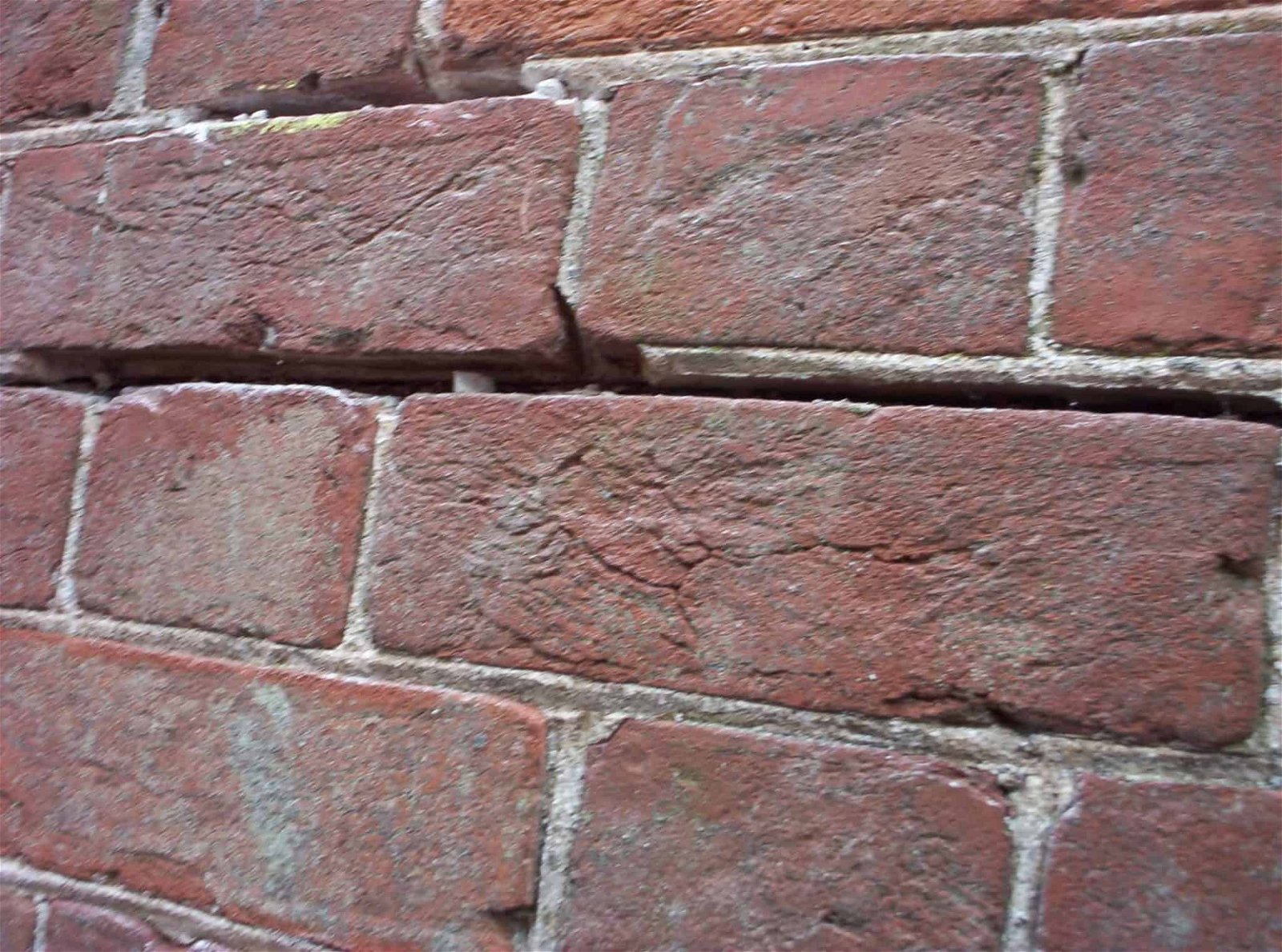
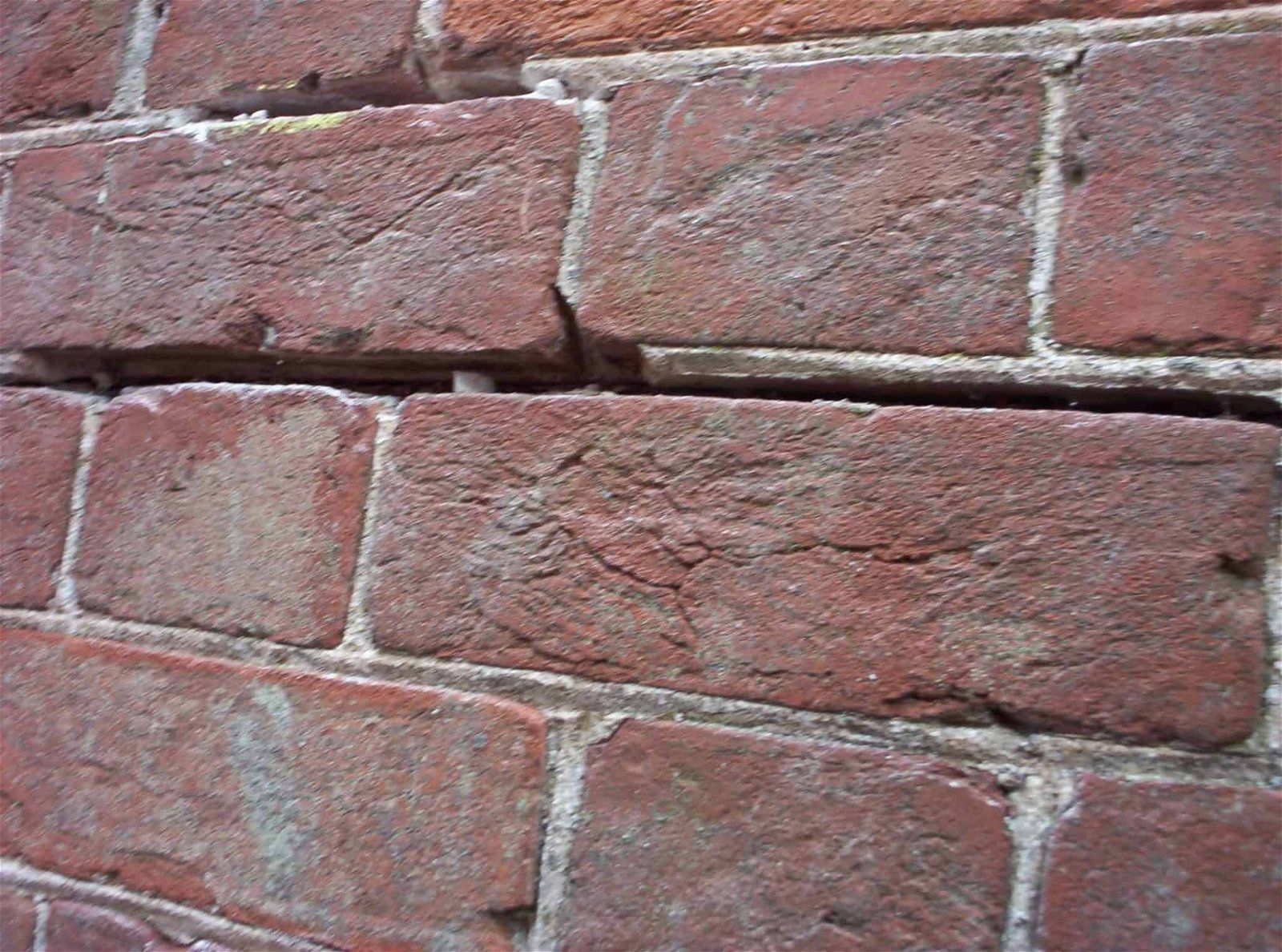
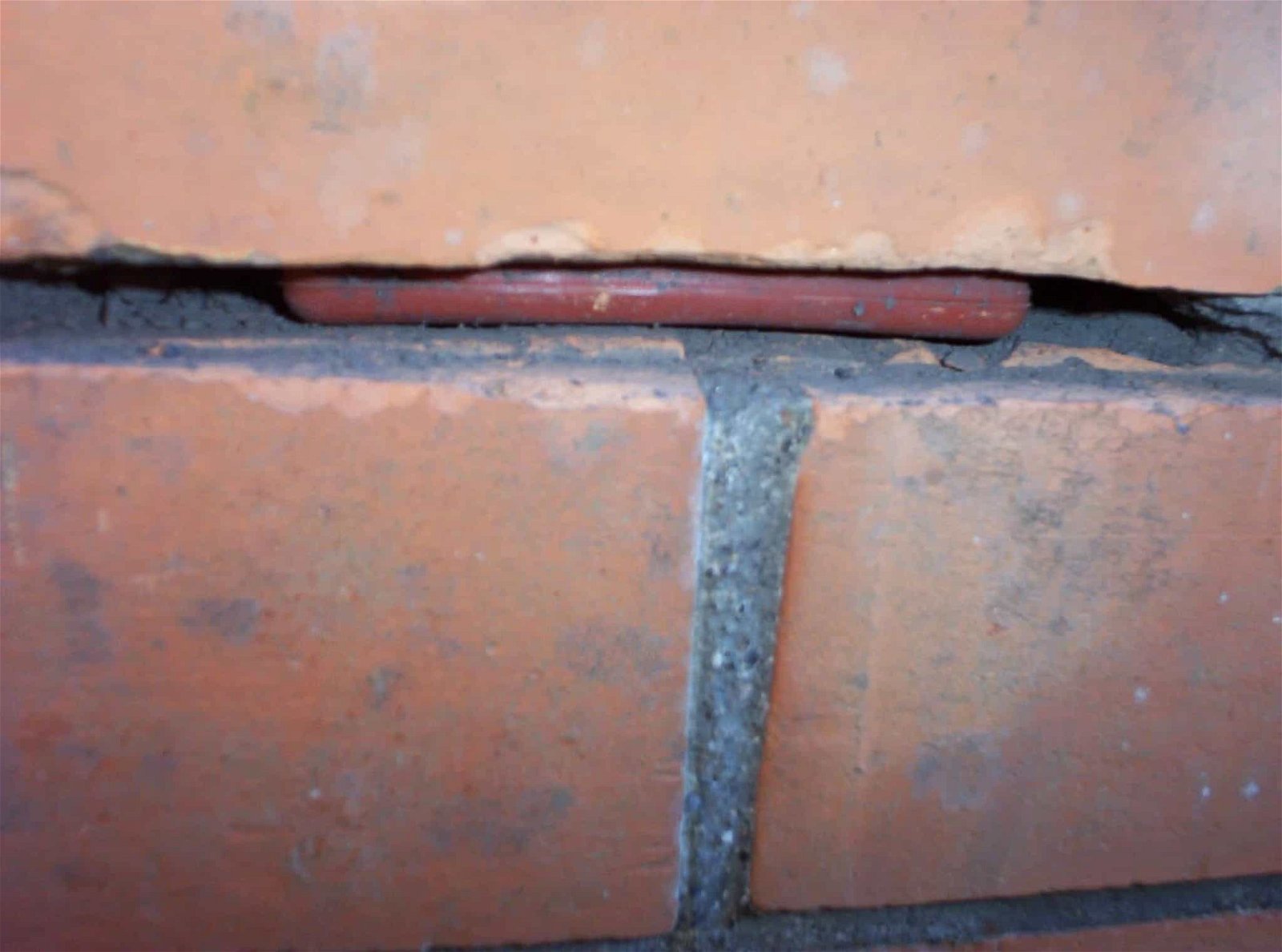
Latest research by the Building Research Establishment, has found that wall ties corrode faster in the mortar within the external leaf of brickwork, leading to oxidisation, where they will expand to several times their original size. This expansion will cause structural instability by lifting the mortar joints where they lay.
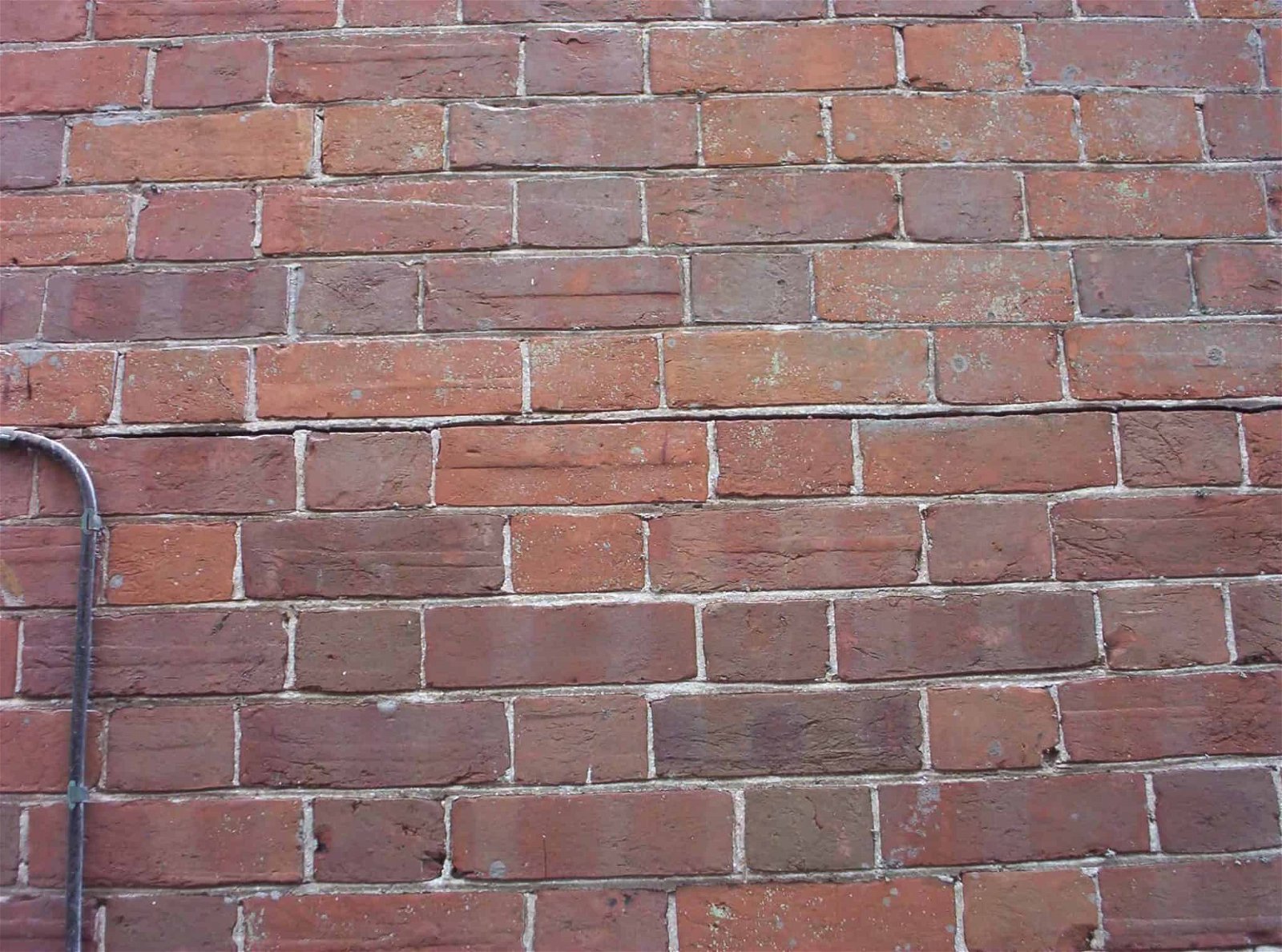
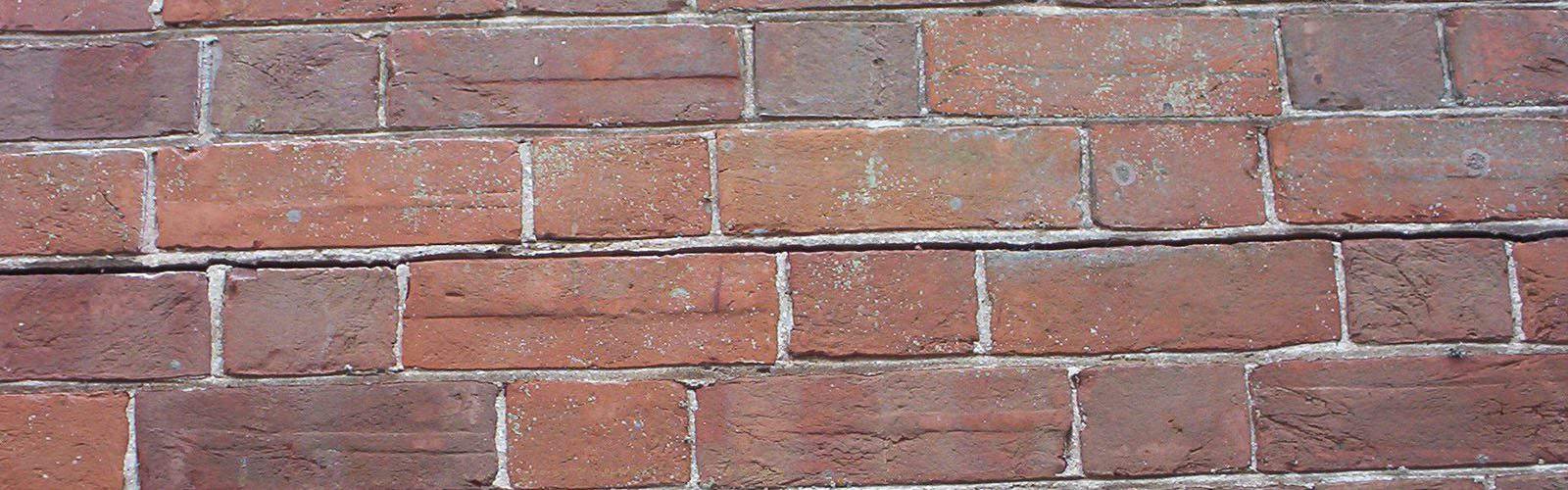
Visual evidence of wall tie corrosion can be seen by horizontal and diagonal stepped cracking to external wall surfaces. If corrosion is severe it will lead to distortion and bulging. In some cases external walls have collapsed during gales. Research has also found that a high percentage of properties inspected had an inadequate number of wall ties especially around openings, i.e. windows and doors.
Wall tie
Replacement
After identifying existing wall ties with the help of a metal detector, they are either removed or treated and isolated.
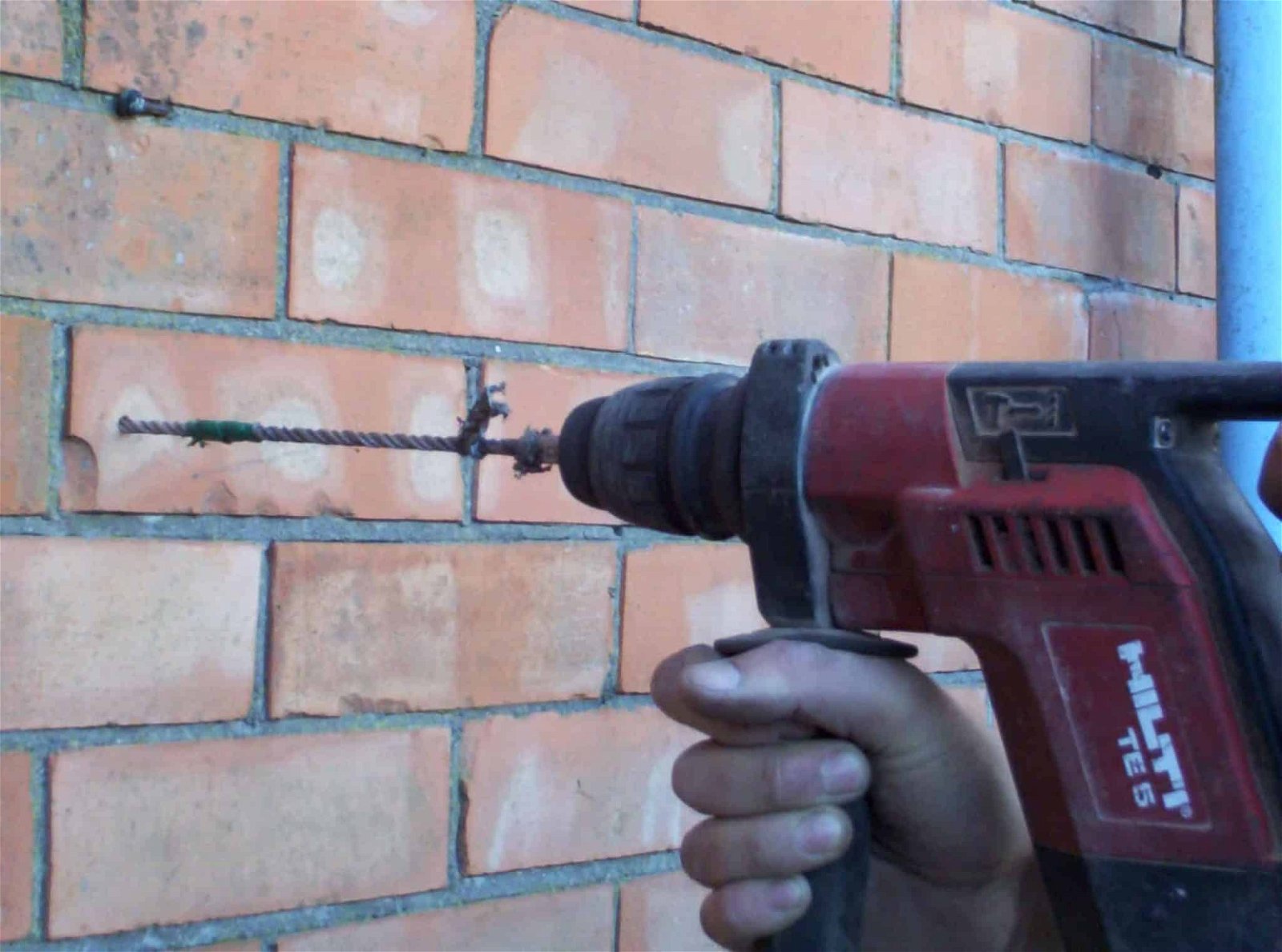
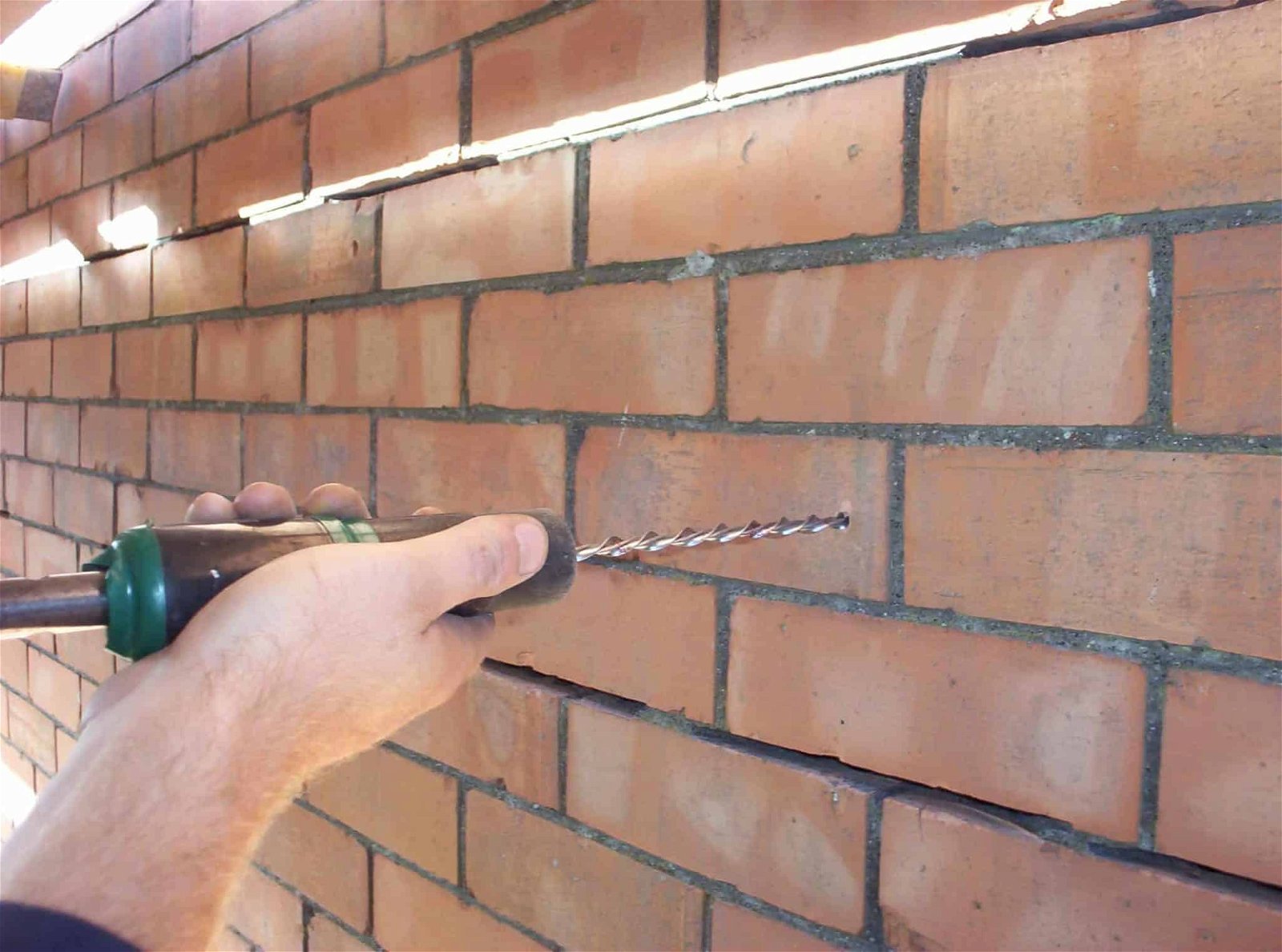
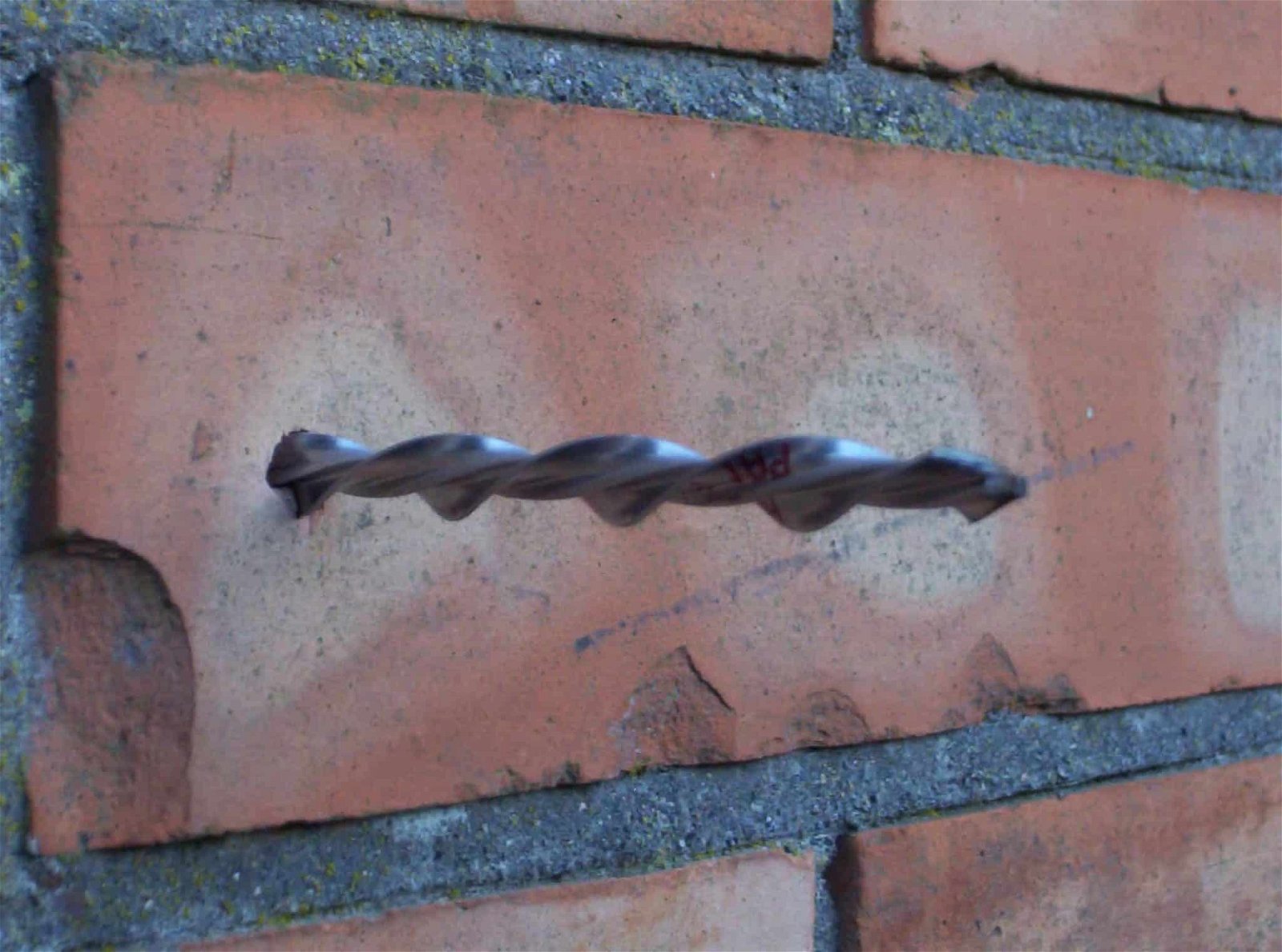
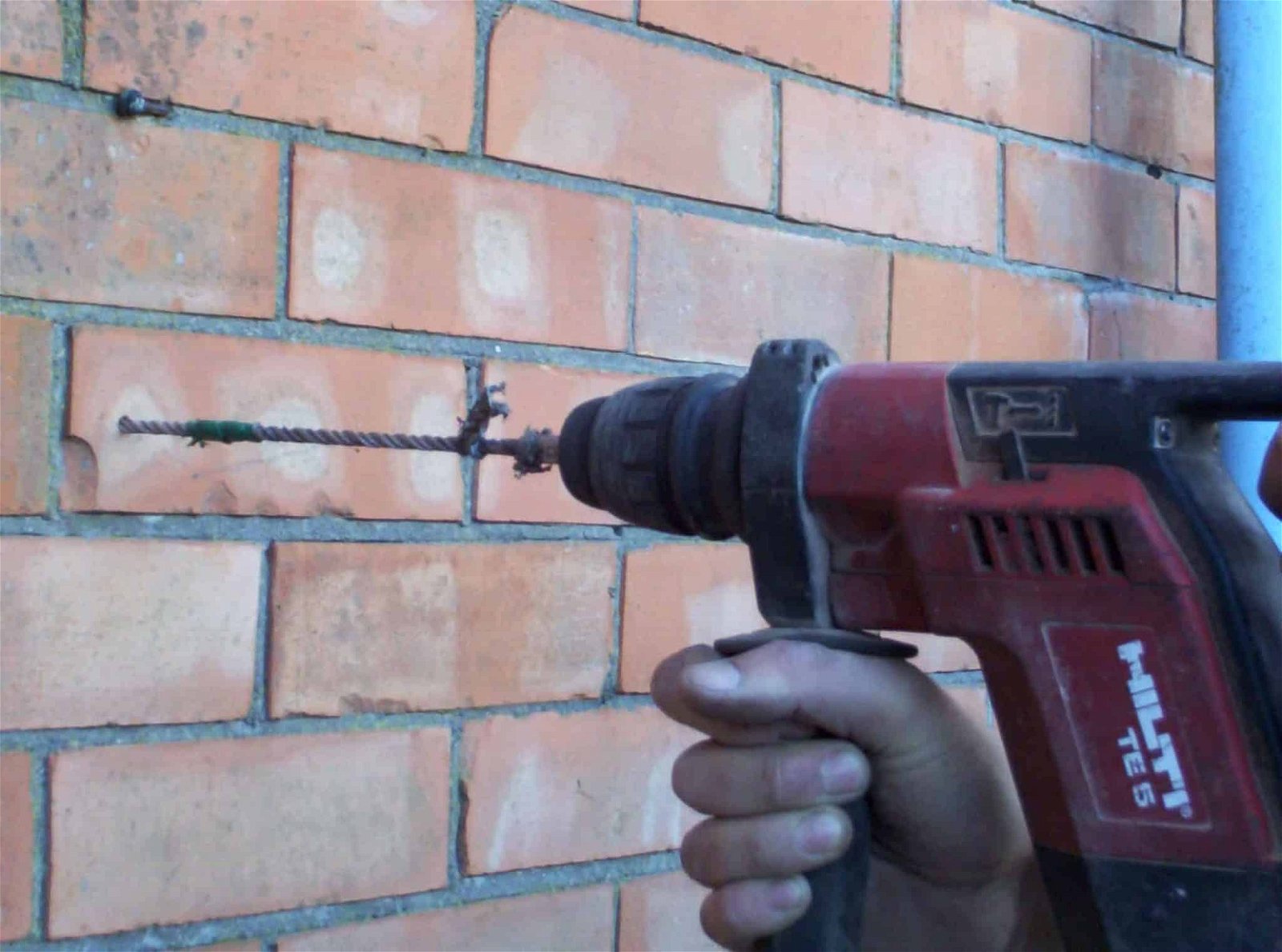
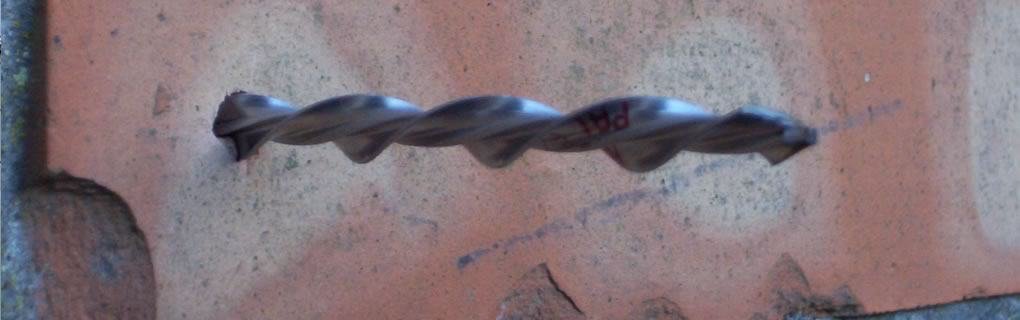
Pilot holes are then drilled through the brickwork, at pre-determined intervals, and helical wall ties are then hammer driven through both skins. Being helical, with a high fin profiles, the ties corkscrew into the masonry tying the two skins together. Because they are made from high-tensile stainless steel, they do not rust.
The holes are then filled with colour-matched brick repair mortar to provide an invisible repair.

Gallery

First-class service

I would just like to pass on what a first-class service I received from your company. All the guys who attended, and Gary the Surveyor, were absolutely fantastic. I am so pleased with the work that was carried out.
LG – Witney, Oxfordshire
Professional attitude
I wanted to let you know that we were very pleased with the work, professional attitude, care and attention of the builders who worked on our property. Thank you.
PT – High Wycombe
A credit to ASRS
The team is a real credit to ASRS. Nothing was too much trouble. They took the time to explain what they were doing. Show the works as they were being progressed and left the area very clean and tidy.
LH - Milverton
A pleasure to deal with
Thanks for the work which - as far I can tell - was carried out to a high standard, and which started and finished on time and on budget.
I’d also like to put on record our appreciation of Lee who managed the job. He was careful and thorough, always professional in his approach and was a pleasure to deal with throughout.
TR – Aller, Somerset
Efficient and skilful
Thank you so much for the incredibly efficient and skilful way in which the structural repair work was carried out at my property.
I was particularly reassured by the team who carried out the work and kept me updated on what was happening.
BW - Bristol
Call us for help with any of these
Common structural defects, issues and problems

We offer free site visits to both domestic and professional clients to assess the problem and propose the appropriate repair programme, tailored to suit the specific needs of the project. ASRS are approved installers of the Helibeam System, offering cost effective, non-disruptive and concealed solutions to all aspects of remedial masonry stabilisation. Our skilled installation teams are trained and experienced in all aspects of masonry repair. They have been trained to the highest standard in every installation process to cover all H+S requirements. With most of our design and installation specifications we are proud to offer a 10yr indemnified guarantee on Helifix repairs and Micro Piling. We offer a 25yr guarantee for Wall Tie replacement.
Reasons
To trust ASRS

Free Quotation

Helifix Approved

Skilled Workforce

Guaranteed